


Getting seed in the ground is a big step, but it is not the finish line.
If you want your food plot to produce more dependable forage for deer, fertility needs to stay part of the plan after planting. That is where top dressing comes in.
Top dressing gives your plot an extra push during the growing season, especially when warm-season plants are actively growing and working to build height, structure, forage, and seed production.
It is a simple step, but it can make a noticeable difference in how your food plot performs.
What Does It Mean To Top Dress A Food Plot?
Top dressing is the process of applying fertilizer after the crop has already emerged. Instead of putting all your fertilizer down before or during planting, top dressing gives your food plot another push during the growing season.
For TnT Seed Company's plants like Barrier, Red Milo, Egyptian Wheat, and sunflowers, top dressing is often focused on nitrogen. Nitrogen can help support plant height, leaf growth, stalk strength, and overall vigor.
Top dressing is not a replacement for good prep work. Your seedbed, planting depth, weed control, soil moisture, and timing still matter. But once the crop is up and growing, a properly timed top dress application can help it reach its full potential.

Why Top Dressing Matters
A lot of food plotters plant the seed, see green growth, and assume the job is done. That is usually where plots start falling short.
Warm-season plantings and screening cover can grow fast when conditions are right. That fast growth takes nutrients. If the planting runs short during key growth stages, you may end up with less than you expected.
Top dressing can help support:
-
Stronger plant growth
-
Better screening cover
-
Taller stalks
-
More leaf production
-
Better late-season structure
-
Stronger overall food plot performance
If your plot is up, actively growing, and entering a key growth window, it may be time to top dress.
When Should You Top Dress Food Plots After Planting?
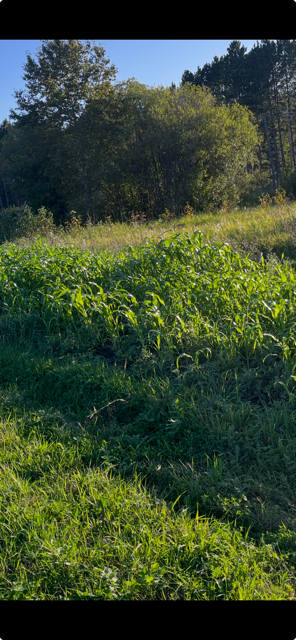
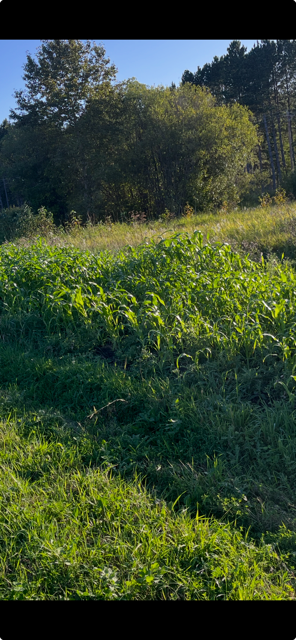
The best time to top dress depends on what you planted. In general, many warm-season plantings are top dressed a few weeks after emergence, once the plants are tall enough and actively growing.
Before applying fertilizer, walk the plot and check:
-
Plant height
-
Plant color
-
Stand thickness
-
Weed pressure
-
Soil moisture
-
Upcoming rain forecasts
Top dressing ahead of a rain is usually ideal because it helps move fertilizer into the soil where the plants can use it.
If the plot is extremely dry, thin, or being overrun by weeds, fertilizer alone will not fix everything. Top dressing works best when the crop is established and ready to use the nutrients.

When To Top Dress Barrier
Barrier is built to create tall, dependable screening cover, but it still needs the right fertility to perform.
For Barrier, TnT recommends top dressing 4 to 6 weeks after emergence. Broadcast fertilizer evenly over the growing plants, and apply ahead of rainfall when possible to help improve nitrogen efficiency.
This timing gives Barrier an extra push while it is actively growing and working to build the height and thickness needed for better screening cover.

When To Top Dress Red Milo
Red Milo is a strong warm-season option for wildlife food and cover, but fertility still matters after planting.
For Red Milo, TnT recommends top dressing 4 to 6 weeks after emergence. Broadcast fertilizer evenly over the growing plants, and apply ahead of rainfall when possible to help improve nitrogen efficiency.
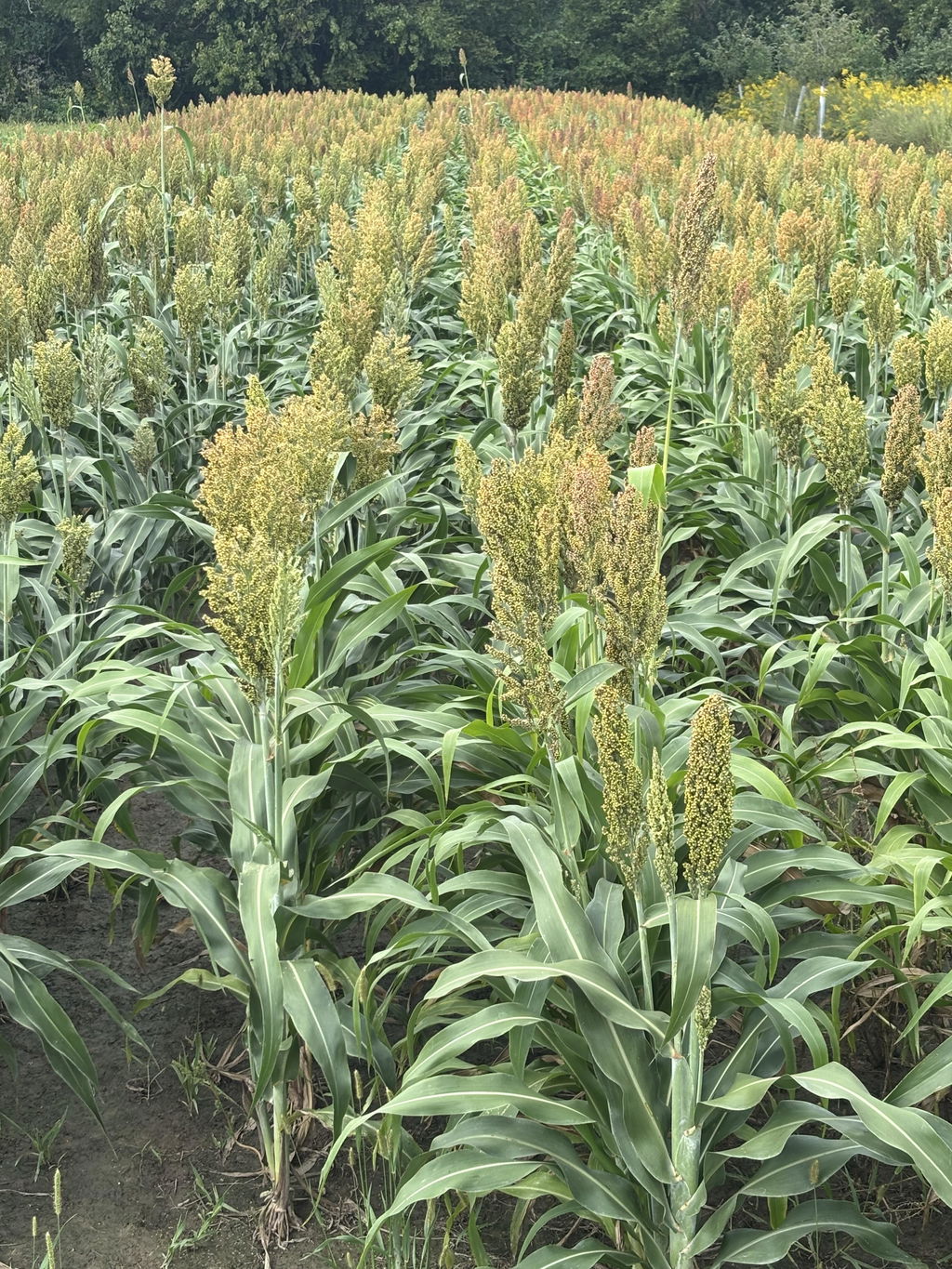
This timing gives Red Milo support while it is actively growing and working to build grain, structure, and dependable wildlife cover.

When To Top Dress Egyptian Wheat
Egyptian Wheat is planted for height, cover, and wildlife habitat, but fertility still plays a major role in how well it performs.
For Egyptian Wheat, TnT recommends top dressing 4 to 6 weeks after emergence. Broadcast fertilizer evenly over the growing plants, and apply ahead of rainfall when possible to help improve nitrogen efficiency.
This gives Egyptian Wheat support during an important growth window as it works to build height, stalk strength, and structure.

When To Top Dress Sunflowers
Sunflowers can be a strong planting for wildlife, doves, pollinators, and overall property diversity, but they still need proper fertility to perform.
For sunflowers, TnT recommends top dressing 3 to 4 weeks after emergence. Broadcast fertilizer evenly over the growing plants, and apply ahead of rainfall when possible to help improve nitrogen efficiency.
This gives sunflowers support while they are actively growing and working to build strong stalks, healthy leaves, and dependable seed production.
Should You Top Dress Every Food Plot?
No, not every food plot needs the exact same fertilizer plan.
A soil test is always the best place to start because fertility needs can change based on soil type, previous crop, and location. The crop also matters. A tall-growing screen has different needs than a clover plot. A warm-season grain crop has different needs than a fall brassica mix.
Before top dressing, ask yourself:
-
Is the crop actively growing?
-
Are weeds under control?
-
Is rain in the forecast?
-
Does this seed type actually call for a top dress application?
If the answer is yes, top dressing may be the right next step.
Use TnT’s Seed Information Page Before You Guess
If you are not sure what to do next, start with TnT Seed Company's Seed Information page.
The page is built to help you figure out how to prep, plant, spray, and fertilize their plots. You can search by seed name, select the product you planted, and find product-specific information to help guide your next step.
Instead of guessing, use the page to check the seed you planted and make sure your next move lines up with that product.
Explore The Seed Information Page

Better Food Plots Start With The Right Seed And The Right Plan
Top dressing is one of the key steps that can help warm-season food plots, screening cover, and wildlife plantings reach their potential.
If you planted Barrier, Red Milo, Egyptian Wheat, sunflowers, or another TnT Seed Company product, check your planting date, walk the field, look at plant height, and review the product’s seed information. If the crop is actively growing and ready for the next push, it may be time to top dress.
TnT Seed Company gives you more than seed. We give you the information to help plant it right, manage it better, and get more out of every acre.
Shop TnT seed and visit the Seed Information page to get product-specific planting, fertilizing, and spraying guidance before your next step.


Leave a comment